


Sanatana Dharma, the Mother of all Religions.
H.
H. Swami Chidanandapuri

(Transcribed and Translated from the OHM-BC Satsang on 4 November 2022, by Sukumar Canada)
When we discuss the topic of Sanatana Dharma, I remember my childhood days. My grandmother and I were very close and she used to teach me prayers and tell me stories regularly from the epics Ramayana and Mahabharatha. She taught me about an interesting prayer that ‘gold’ would chant with utmost concern. It goes like this:– “Lord, you may melt me down, beat me hard, flatten me, and stretch me out into any forms and shapes at your will. I can endure all kinds of use and abuse without any complaints, but please do not weigh me against the Kunnikkuru (red bead vine) seeds on the other side of the balance and try to equate me with them.”
When we talk about Sanatana Dharma, there is always an erroneous notion people want to propagate that as another religion, just like the other popular religions of the world. When people start comparing the Sanatana Dharma with Christianity and Islam, I reminisce about the prayer of gold requesting the Lord not to compare it with the discrete, limited philosophies. Sanatana Dharma is not just a religion. Hinduism, the modern name of Sanatana Dharma, is not limited because it doesn’t preclude other ideas and thoughts or it doesn’t declare that Hinduism is the only path nor their’s are the only messengers who found the ultimate Truth.
A religion with one form of god, one path to attain salvation, one messenger to obey, one prophet to seek guidance from, and one scripture to follow, etc. is very limited when we think about the diversity of the universe we live in. Sanatana Dharma is not like that because it is expansive in philosophy and diverse in concepts, visions, and ways of life. Even if all the other religions and belief systems of the world go extinct, Sanatana Dharma will not perish. Sanatana Dharma encompasses the essence of all religions and it doesn’t matter if a new one emerges and an old religion disappears, it will continue to flourish.
During the 400th anniversary of Columbus’s expedition to find America, there was a great exposition in Chicago in which delegates from all the religions of the world attended. There was a world religious conference – World Parliament of Religions- held there in which Swami Vivekananda embarked on his missionary work to expose and expound the ideas of Sanatana Dharma for the world outside India. In a historic speech, he gave at the conference, he started by congratulating the organizers of the conference in the name of the “mother of all religions”, the Sanatana Dharma. He explained the essence of it to the leaders of other religions and it was an eye-opener for the world. He said Sanatana Dharma is the mother of all religions because all the fundamental values of all the religious philosophies are entrenched well in Sanatana Dharma.
Here we need to understand two Sanskrit words – Sanatana and Dharma. Sanatana means “that which will ever be” i.e., “that which is eternal”. It means the Dharma that will never perish is Sanatana Dharma. In the world we see around us, everything perishes as they were all born, begun, or created at some point in time. Anything that is born must die; meaning anything that has a beginning must have an end. Now, if one says that there is this philosophy that will never go extinct is a proposition hard to trust based on our experience. Is it a vain statement or a claim uttered out of ignorance or arrogance? We know that the great Rishi’s of yore in India have always used logic and reasoning behind all their statements in the scriptures. They never demanded people believe them without proper inquiry. They encouraged their disciples to question everything they read and study in the context of religion. Sanatana also means something beyond what we know of. These thoughts are eternal as they will survive even if all other thoughts and philosophies are rendered futile upon rational inquiry.
The word ‘Dharma’ is used and misused as religion in many parts of India, especially in the central and North Indian states. In Kerala, Dharma connotes something to be given away as alms. Giving Dharma (alms) is considered a virtuous act. But if we have to keep anything for ourselves, that should not be given away, is Dharma and Dharma alone. We must abide by Dharma in our life, at every stage of our survival. We must hold on to it until our last breath. Why is that the case?
What is Dharma? It is very pertinent now as we face a lot of local and international issues, including religious, social, and even world-war-level situations everywhere. We also make a big deal about the management of the wealth of the world – be it coal, gasoline, gold, or other natural resources, etc. They are all causes of war now; even drinking water is one such resource. At this time, people working in any walk of life, are advised to adhere to Dharma for them to survive and thus sustain the world. “Yena Dharayathe Sarvam” is the definition of Dharma. “That which carries” is the Dharma of an entity. That is the “essential characteristic of the entity without which it doesn’t exist.” For example, the Dharma of water is to wet other things.
When we consider known things in the universe, from the smallest to the biggest – take an atom to the universe as a whole. The microcosm to macrocosm– how do they function individually? We can see that it is based on a ‘mysterious’ law of nature that is ever-controlling their survival. The particles inside the atom are moving fast with no stoppage resulting in a static disposition of the atom as an entity and a complex structure. It is a miracle in itself because the inner mechanism of the atom is not explainable. A physicist, a chemist, or a nuclear scientist could come up with theories on an atom, decipher ideas about it, split it, and even release energy from it, but it is still a wonder that no one can clearly explain.
Those who chant “The Thousand Names of Siva or Devi”, there are references to several millions of stars and galaxies in those chants. We don’t know how many stars are out there and we don’t know how many planets are there for each star. With all-encompassing in it, a concept of an oblong sphere or an egg shape has been imagined by the Rishis of yore. This shape is peculiar that it has both tendencies – to shrink itself into its center; to expand out from the center. Let the scientists work on the details as to how and why the phenomenon occurs with precision.
In the universe of a complex system of stars and galaxies, as well as in the small atom, the natural law is functioning equally diligently. Neil Bohr, the famed scientist, got attracted to Vedanta because he could observe the similarity of it with the mystical natural law that is keeping the smallest of the small atoms and the biggest of the big galaxies functioning because of the incessant motion of the inner components. We can call it the rhythm of the universe, natural law or eternal philosophy, or an order. That order is the eternal truth, the Dharma of the universe, according to Indian spirituality. Dharma is essentially the rhythm of the universe.
But what is Dharmic life for you and me? Is it mimicking the universe’s law in our life? Or aligning oneself with the rhythm of the universe as we live as an integral part of it? How do we apply it to our day-to-day life? Essentially, the idea is, that I, as an individual should not adversely affect or get affected by this universal rhythm, through my thoughts, words, and deeds. Living life with this awareness of alignment with the universal rhythm is indeed the Dharmic life. It is not important to do rituals and go to temples and churches. Of course, they have their place in the overall social milieu, but they are done with different aims. The message of aligning our life with the universal rhythm is most pertinent in today’s world as the survival of life in the universe depends on this.
Whenever religions tend to work against Dharma, that religion must be discarded. If science and technology come to disrupt the rhythm of the universe, that will become detrimental to life in the universe. Whatever is against Dharma becomes unsustainable in the long run whether it is religion, science, environmental issues, technology, or social issues. When science, religion, social setup, and other developments are aligned to Dharma, they are great for the world and when the alignment gets disrupted, we suffer the consequences- whether we are rich or poor. Destruction and sorrow will prevail. So, Dharma is the foundation of the universe. It is this dharma or universal law that the scriptures such as Vedas and epics like Ramayana and Mahabharatha portray to teach us its importance.
Be
it political science, economics, or science in general, they all must be in
line with Dharmic values, and that is the message India must propagate in the
world. This is not against any religion, philosophy, or science. But the idea
is to have awareness of Dharma in all endeavors undertaken by humanity.
As mentioned before, several religious leaders from around the world took part In the world parliament of religions, held during the 400th anniversary of the expedition by Columbus. It was a grand occasion, but the 500th anniversary was not celebrated that well due to some unknown reasons. The conference was successful and that was the first time world leaders of various religions got together to see if there is a common theme that would be considered universal amongst all religions. In the end, they decided to come up with a resolution at the end of the conference as a vision for the future –The theme of the universal value selected was “Tolerance”. That was the greatest vision most of the leaders agreed on. But Swamy Dayananda, a natural leader among the several religious groups from India, including Vedantic monks attending the conference, opposed the idea of toleration as a universal value. He said tolerance cannot be a lofty value for an august conference like the World Parliament of religions. The concept of tolerance is at best at the level of kindergarten not that of a mature society. Instead of tolerance, Indian delegates proposed “Universal Acceptance” as the value to be propagated. Tolerance is no doubt, good and practical in some situations, but it is shallow in esteem. Tolerance has a connotation that “I am tolerating you although I don’t accept or approve of your choices.” It is like a staunch vegetarian sharing the same dinner table with a meat eater, tolerating the situation out of helplessness. “I am disgusted with your choice of food, but I don't have a choice now”- a kind of scenario where you acquiesce and that is tolerance. That is not enough as a universal value according to the Indian concept of Dharma. Tolerance is just a beginner’s practice of working together as a society. That is not enough as a universal value, but only a practical compromise. Universal acceptance is about accepting the differences of choices among people of various religions and recognizing that all ideas have intrinsic value as long as they are aimed at the betterment of humanity.
Universal acceptance of wisdom is that “the essence in you and me is the same”. That one true essence made me as me, with all my colors and shapes; and it made you with your colors and shapes. The Lord is the indweller of all and it is the same for you and me whether you belong to this or that religion.” There are several great aphorisms like this in Vedanta philosophy. If we look at the world with this universal outlook, where is the difference in people? That is the essence of India’s message of Dharma. It is this message we need to propagate around the world and it is very relevant now.
In the west- USA, Australia, and Europe, many call themselves non-religious. A major percentage of the population moved away from religion resulting in several churches being closed and being converted into business centers. Some are being purchased even by Hindus for their Satsang centers. Nonreligious doesn't mean that the person is not Dharmic or they are anti-social. We must recognize that people reach such conclusions to be nonreligious due to the dogmas and beliefs forced upon them by the religious leaders and their edicts.
A rational man questions everything before accepting. Intelligent questions are required for science as well as for Dharma to enhance life as a whole. In the Sanatana Dharma, all questioning is encouraged. A child may ask her parent “how come a human has an elephant face,” seeing the sculpture of Ganapathi. She may ask “how come Lord Vishnu has four hands?” Encourage such questions from children. Find logical and convincing answers to quench their curiosity. But do not force ideas and beliefs on kids. As adults, admit it if you do not know the answers. Make it a point to learn and then teach them.
If religion is just based on beliefs, no questioning is allowed within its framework as you are asked to believe that “the words are given out by God and it is sinful to doubt or question those words.” When people do not get proper answers to their questions, they get dejected and they move away from religion. Of course, some members of the flock will continue to be in the fold due to financial and social compulsions.
Sanatana Dharma philosophy encourages questions and we can see beautiful examples of such situations in the Upanishads and Bhagavad Gita where a teacher’s words get questioned by the disciple. In Bhagavad Gita, the Lord advises Arjuna on various topics and finally tells him to analyze His words with a critical mind before implementing them in his life. Arjuna does criticize the Lord and questions him on several occasions. For example “vyāmiśreṇeva vākyena buddhiṃ mohayasīva me” means, Lord, how come you are telling me confusing words that are not making sense to me?”. The Lord responded to His disciple with encouraging replies and inspiring answers. Sanatana Dharma encourages questioning and that is another value we should propagate. Rituals have their value for social and entertainment reasons, but it is the logical approach, the Sanatana Dharma is what we must tell the world.
The world is now quarreling over religion, language,
geography, and resources and we are facing a war-like situation, at the scale
of a world war. At this time, there is no point in advising the factions to stop
the war from outside. But we must give out the logically sound message of
Sanatana Dharma to the world by living its values ourselves. We must do it
using the language and technology the new generation understands and we must communicate
with them on their wavelength.
Q
& A
Swamiji, politically, there is a new narrative seen in the media that Scheduled Caste and Scheduled Tribe people are not Hindus. What is your opinion? Why is this being popularized now?
It is happening with the communist people wilfully trying to create division in society. They categorize everybody based on communes and according to them, society must be divided based on how they see each group in society. For example, they talk about communes of haves and have-nots. Their communal division is based on the communist ideology and they are ready to disrupt and destroy the social structure of the society to achieve their goal. As a party, they want to ensure a perennial supply of have-nots for them to ‘serve’, and they would split the society by hook or crook and put one faction into their fold. For example, the word Dalit is used by the communist party to divide the society of people who are proud of their ancestry by calling them lowly (Dalit means downtrodden). Now it is not legal to use that word in India as that is derogatory. They try to split the Hindu community by separating the SC and ST people to bring them into a minority camp and they even attract the terrorist factions of some of the other religions to their fold.
Sanatana Dharma activists are trying to stop it and keep the SC and ST communities within the diverse Hindu umbrella and so the communists are not very successful. What we know is, that the tribals are strict adherents of Sanatana Dharma in their time-tested ways of centuries-old customs and rituals and they continue to practice the same with pride. Tribals have their rituals and they are all part of the diverse Sanatana Dharma in practice. The communal forces are still trying to split India into majority-minority lines, but we continue to resist. People who try to split them away from the Hindu fold are disguised as benefactors whereas they aim to strip the tribals of their pride and self-confidence. We must see, appreciate and practice the common thread that binds the diverse factions of Hindu communities, i.e., Santana Dharma, and work with all by fully accepting and assimilating the culture of all, on equal footing. Lately, India is doing a tremendous job in ensuring this.
Q: Dharma is to be practiced within the constraints of time and place. It is also known that Dharma is subject to change according to time and place. If that is the case, when such changes are required, who is the authority to make usurp such changes?
Dharma has two basic tenets. One is the basic philosophy, Sruthi, and the other is the rituals and activities we undertake based on social norms of the time, Smriti. The basic philosophy is permanent such as adherence to Truth, Dharma, Love, etc. But the rituals can vary depending on the people, time, and place. They are also categorized into two – that which is fixed and the other that is changeable following time and place. If the Dharma is not willing to modify and adjust itself with the time and place, they face extinction just like the religions that are based on mere beliefs and dogma. Sanatana Dharma insists that we must adjust the rituals and societal norms accordingly. For example, in the Badrinath temple in Uttarakhand, the priests are Kerala Brahmins from the time of Adi Shankaracharya. Their dress codes and rituals are different from that of a Kerala priest. The changes were implemented to address the climatic constraints and other factors.
The great leaders of Santana Dharma were instrumental in social reforms and they spearheaded several changes to get rid of regressive rituals prevalent in the past. The provision of timely, appropriate changes is built into the philosophy of Sanathana Dharma.
There is no central figure, a supreme commander out there to approve such reforms. Society collectively must make and approve the changes required on a consensus basis. That means you and I must be bringing about these reforms. Also, the changes must address modern issues with modern solutions. We must deal with the problems of youngsters using modern approaches as well.
Q: Today’s youngsters, including Hindu Youths, claim that “non-religion” is their religion. How can we direct youngsters of Hindu families back to Sanatana Dharma?
Human beings want to be loved and the parents of the youth must understand this, however busy they are. Not only they should love their children, but it must also be explicitly expressed as well so that they know. However, do not force any rituals and activities on them if they are not inclined to do them. The parents should be practicing the rituals and religious activities by being an example for them. For example, chanting hymns and prayers- don’t ask or force them to do it- but show it by your example.
Also,
do not denigrate any other religion; but encourage them to analyze all and come
to a reasonable conclusion. Teach them values through stories from the epics,
Ramayana and Mahabharatha. Don’t wait until they are grown-ups to impart
Dharmic Values to them. When we do the
rituals, tell them why we do them. When
we go to temples tell them what each ritual means. We should be able to explain
our rituals and values when they ask. So a parent must learn it first and then
pass it on to the next generation.
---------------------------------
The abstention of all maliciousness to other sentient beings, truthfulness, justice, compassion, self-restraint, procreation with one's own spouse alone, amiability, modesty, and patience, the practice of these virtues is the best of all Dharmas, thus declared Manu-Svayambhuva. (MB. Santi Parva).
With reference to god, one of the most popular statements from the Veda is:–
mātṛ devo bhava, pitṛ devo bhava, ācārya devo bhava, atithi devo bhava.
Let your mother be your god, let your father be your god let our teacher be your good, and let the one you encounter desirous of hospitality be your god.
Winner of National Award for Best Feature Film!
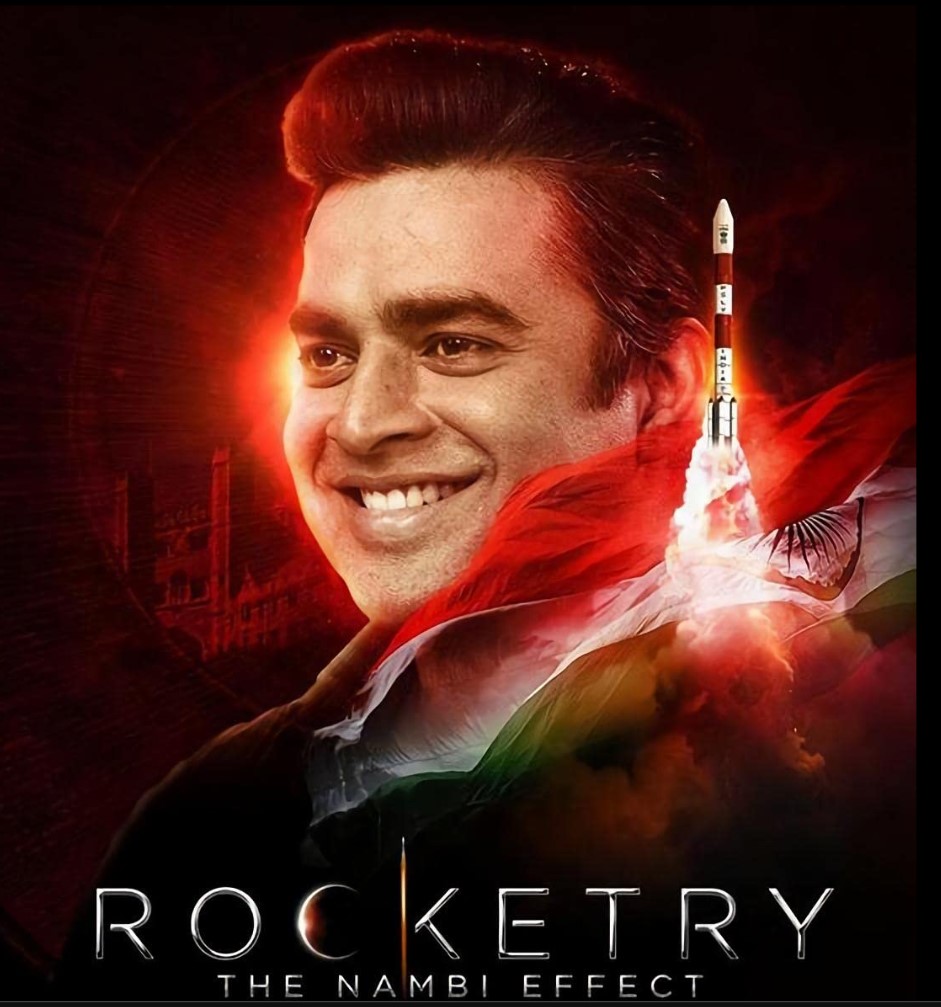
Rocketry! A must-watch
movie!
- You can “nambu” (trust) Madhavan
Madhavan, the erstwhile matinee idol has done an excellent job of creating a movie whose time has come! It is a poignant portrayal of the patriotism of a nuclear scientist, who excelled not only in technology but also in strategic dealings with international agencies. Unfortunately such leadership and initiative of a proud Indian attracted some unwanted attention – possibly international or even anti-national elements who would rather see India not develop to its full potential. Professionally and personally he had to pay a heavy price and India, as a country also suffered as if it was a calculated move by the aforementioned elements.
Madhavan portrays the role of the scientist, Dr. Nambi Narayanan with an uncanny resemblance in his looks and body language. The man who may have been a bit haughty and a proud scientist who had a one-point vision was not fit for an institutional setup in the Indian context. If only he had chosen the rosy, lucrative path of accepting the NASA offer, several major inventions in Space Technology would have had an Indian scientist’s name on them. But Alas, the guy had to fight to regain his name and to re-establish his innocence through a long-winded fight in the Supreme Court. His question at the end of the movie is still very pertinent. “Yes, the courts have vindicated me, but who is the culprit? Don’t we want to know? that?” We will also leave the screen with this thought. Why? Why? Who? Who?
Despite the possible international ploy to suppress the Indian ingenuity, Indian Space Missions are now a major lucrative business venture for the country. Mars mission – Mangalyaan was so inexpensive that it was less than the cost of making the movie – Gravity. It has been a major achievement the world has to applaud, comparing the cost of similar successful missions of the big powers.
Rocketry tries to portray a balanced view of the personal and professional life of Nambi Narayanan, with a bias toward the professional life he lived. It was also wonderful to watch him confess at the end that he wasn’t able to pay attention to his wife during his hay days, despite her being the main pillar of the family. Unfortunately, the horrible events in their life broke her down badly. The insults faced by the family and Nambi himself are unthinkable and we see him call out to his favorite Goddess “Devi Bhagavathy..” many times whenever he hits the unknown stone wall of fate, so to say.
To me, the Nambi story is
again an affirmation of the famous verse of the Bhagavad Gita “Karmanyeva
adhikarasthe; ma phaleshu kadachana” – You only have the authority to do your
karma properly, but know that the results are beyond your control. (Note that
the wages you make for your work done are not the ultimate ‘result’ of your
work.)
Madhavan, you are a fine filmmaker. I loved the way you told the story without any gimmicks or complex ‘rocket science’ discourses. Even the technical details you gave do not put people off as they are essential to convey the gravity of the plot. I don’t hesitate to give 4.5 stars out of 5 for the movie. Thank you for bringing Dr. Nambi Narayana’s story to the limelight. May you be blessed with more accolades in filmmaking. You proved that people can ‘nambu’ (trust) you with any theme for that matter.
Rocketry: Amazon Prime


ഒരു
വെജിറ്റേറിയൻ അപാരത
ഡോ. സുകുമാർ കാനഡ
ഇവിടെ
എന്റെ ഓഫീസിൽ കോവിഡ് കാലത്തിന് മുൻപ് രണ്ടാഴ്ച കൂടുമ്പോഴെങ്കിലും കമ്പനിവക ഒരു
ലഞ്ച് ഉണ്ടാവുമായിരുന്നു. ഇപ്പോൾ വീട്ടിലിരുന്നുള്ള പണിയായതിൽപ്പിന്നെ അതിന്
മുടക്കം വന്നു. എങ്കിലും വല്ലപ്പോഴും ഒത്തുകൂടാനുള്ള അവസരം പാഴാക്കരുതല്ലോ. ഈയാഴ്ച
ലഞ്ച് ഉണ്ടെന്ന് അറിയിപ്പ് വന്നപ്പോൾത്തന്നെ സാന്ദ്രയ്ക്ക് ടെക്സ്റ്റ് ചെയ്തു. “ഞാനും
ഉണ്ട്” ഉടനെ മറുപടി വന്നു. “വെജ്ഫുഡ് ഓർഡർ ചെയ്യാം. സീ യു സൂൺ”
കാനഡയിൽ
വാൻകൂവറിലേയ്ക്ക് ഇമിഗ്രന്റായി വരുന്ന കാലത്ത്, 90കളുടെ തുടക്കത്തിൽ ഇവിടെ വെജിറ്റേറിയൻ
ഭക്ഷണം കിട്ടാൻ വലിയ ബുദ്ധിമുട്ടായിരുന്നു. മിക്കവാറും ‘മീറ്റ് ആന്റ് പൊട്ടറ്റോ’ തരം
ഭക്ഷണസമ്പ്രദായമാണ് ഉണ്ടായിരുന്നത്. ഇപ്പോൾ സ്ഥിതി മാറി, മിക്കവാറും നല്ല
റെസ്റ്റോറന്റുകളിൽ എല്ലാം വെജ് ഐറ്റങ്ങൾ നിറയെ ഉണ്ട്. എങ്കിലും ഓഫീസ് പാർട്ടികളിൽ
നേരത്തെ പറഞ്ഞുവച്ചില്ലെങ്കിൽ നമുക്ക് വായു ഭക്ഷണമേ ഗതി.
‘92
ലോ മറ്റോ കൂടെ ജോലി ചെയ്യുന്ന ഒരു ശ്രീലങ്കൻ സുഹൃത്തിന്റെ കല്യാണപാർട്ടിക്ക് പോയിരുന്നു.
ബിന്ദുവിന്റെ കൂട്ടുകാരി ശ്രീലങ്കനും വരൻ ഇവിടുത്തെ വെള്ളക്കാരനുമാണ്. ഞങ്ങളെപ്പോലെ
എഞ്ചിനീയർമാർ തന്നെ. കല്യാണം
ശ്രീലങ്കയിലും; പിന്നെ ഇവിടെ ‘മിഷൻ’ എന്ന് പേരുള്ള ഒരു ‘ഓണം കേറാ മൂലയിലെ’ പള്ളി
പാരിഷ് ഹാളിൽ വെച്ചായിരുന്നു റിസപ്ഷൻ. അവിടെയുള്ളവർ ആദ്യമായാണ്
വെള്ളക്കാരല്ലാത്തവരെ കാണുന്നതെന്ന് തോന്നുന്നു. ഞങ്ങൾ ഇരുനിറക്കാർ ഒരുമിച്ച് ചെന്നപ്പോൾ
പലരും സൂക്ഷിച്ചു നോക്കുന്നുണ്ടായിരുന്നു.
ഞങ്ങൾ
അഞ്ചു സുഹൃത്തുക്കൾ ഒരു ചെറിയ കാറിൽ നൂറോളം കിലോമീറ്റർ യാത്രചെയ്ത് അവിടെ
എത്തിയപ്പോൾ ഉച്ചയ്ക്ക് പന്ത്രണ്ടു മണിയായി. എല്ലാവരും ജോലിചെയ്ത് സമ്പാദിക്കാൻ
തുടങ്ങിയിട്ടേയുള്ളൂ. എന്റെയൊരു കുഞ്ഞൻ മാസ്ഡ കാറിലാണ് യാത്ര. നല്ല വെയിലുള്ള സമ്മർ
കാലമാണ്. കിട്ടാൻ പോവുന്ന സദ്യയെപ്പറ്റി ആലോചിച്ച് ഞാനും ബിന്ദുവും രാവിലെ ഒരു ചായ
മാത്രം കഴിച്ച് പുറപ്പെട്ടതാണ്. നാട്ടിൽ സദ്യയുള്ള ദിവസം ചെയ്യുന്നതുപോലെ.
“നമ്മൾ
വെജിറ്റേറിയൻസാണെന്ന് വിളിച്ചു പറയണോ?”
“ഏയ്
അതിന്റെ ആവശ്യമൊന്നുമില്ല. പ്രിയ ശ്രീലങ്കനാണല്ലോ. അവൾക്കറിയാം.”
റിസപ്ഷൻ
തുടങ്ങി, ആകെ ഒരു നാൽപ്പതുപേരുണ്ടാവും. വലിയ പ്രസംഗമൊന്നും ഉണ്ടായിരുന്നില്ല. ജോർജ്ജിന്റെ
അനിയൻ മാത്രം ശ്രീലങ്കയിൽ ചേട്ടത്തിയമ്മയുടെ വീടിന്റെ വലുപ്പത്തെപ്പറ്റിയും അവരുടെ
വീട്ടിലുള്ള വിലകൂടിയ കാറുകളെപ്പറ്റിയും വാചാലനായി. പ്രിയയുടെ അച്ഛൻ വലിയൊരു ടീ
എസ്റ്റേറ്റ് ഉടമയാണ്.
പുറത്തു
ഗാർഡനിലാണ് ബുഫേ രീതിയിൽ ഭക്ഷണം അറേഞ്ച് ചെയ്തിരിക്കുന്നത്. പഴയൊരു പള്ളിയുടെ പാരിഷ്
ഹാളിന്റെ മുറ്റത്ത് ഒരു മേശമേൽ ആറു വലിയ ട്രേകളിൽ ഭക്ഷണം നിരത്തി വച്ചിരിക്കുന്നു.
ആറാമത്തെതിൽ കുറച്ചു പച്ചനിറം കണ്ടു. ആദ്യത്തെ അഞ്ചിലും പലതരം മാംസവിഭവങ്ങളാണ്.
ഒരു ട്രേയിൽ ചോറുണ്ട്, പക്ഷേ അതിലും ചിക്കനോ മറ്റോ ഇളക്കി ചേർത്തിട്ടുമുണ്ട്.
പ്ലേറ്റുമായി ഞങ്ങൾ രണ്ടാളും കൂടെ വന്ന സുഹൃത്തുക്കളുമൊത്ത് വരിയിൽ നിന്ന് ഓരോ
ട്രേയും നോക്കി നോക്കി കടന്ന് പോയി, ഒന്നും എടുക്കാതെ അവസാനത്തെ ട്രേയുടെ അടുത്തു
ചെന്നു നിന്നു. ആവേശത്തോടെ പച്ചിലകൾ (സാലഡ്) കുറേ വാരി പ്ലേറ്റിലിട്ടു. അതിൽ
അവിടവിടെ ചുവന്ന നിറത്തിൽ ഒന്നു രണ്ടിഞ്ച് വലുപ്പത്തിൽ കാരറ്റ് കഷണങ്ങൾ കാണാം. അതോ
ബീറ്റ് റൂട്ടോ?
പ്ലേറ്റുമായി
സീറ്റിൽ വന്നിരുന്നത് ഒരു പ്രായമുള്ള മദാമ്മയുടെ അടുത്ത്. നല്ല വെള്ള നിറത്തിലുള്ള
ഫ്രോക്കാണ് വേഷം. നാടൻ കുലീനത തോന്നുന്ന പ്രകൃതം. സ്വർണ്ണത്തിലുണ്ടാക്കിയ ഒരു വലിയ
ബ്രൂച്ച് മാറിൽ കുത്തിവച്ചിട്ടുണ്ട്. പതിന്നാല്
കാരറ്റ് ആവണം. അതിൽ ക്രിസ്തുവിന്റെ ക്രൂശിതരൂപം. വരന്റെ അച്ഛൻപെങ്ങളാണ്. അവർ ബിന്ദുവിന്റെ
കയ്യിൽ പിടിച്ച് ലോഹ്യം പറഞ്ഞു. അവളും എഞ്ചിനീയറാണ് എന്ന് പറഞ്ഞപ്പോൾ അത്ഭുതം കൂറി.
“യു
ആർ സോ ടൈനി, പിന്നെയെങ്ങിനെ ട്രെയിൻ ഓടിക്കും?” അവർ എഞ്ചിനീയർ എന്ന് പറഞ്ഞാൽ
ട്രെയിൻ എഞ്ചിൻ ഓടിക്കുന്നയാൾ എന്നേ അതുവരെ മനസിലാക്കിയിട്ടുള്ളൂ.
“ഇത്ര
നന്നായിട്ട് ഇംഗ്ലീഷ് പറയാൻ എവിടെനിന്നാണ് പഠിച്ചതെന്ന്” അവർക്ക് വീണ്ടും വിസ്മയം.
അവർ ആകെ യാത്ര ചെയ്തിട്ടുള്ളത് കാനഡയിൽ പ്രിൻസ് ജോർജ്ജ് എന്ന അടുത്തൊരു പട്ടണത്തിലേക്ക്
മാത്രമാണ്. ഇരുപത്തഞ്ചു മണിക്കൂർ പ്ലെയിനിൽ യാത്രചെയ്യണം ശ്രീലങ്കയിലേക്കും
ഇൻഡ്യയിലേക്കും എന്ന് പറഞ്ഞത് അവർ അത്രയ്ക്കങ്ങ് വിശ്വസിച്ചിട്ടില്ല. ഉടനെ അവർ
ബിന്ദുവിന്റെ പ്ലേറ്റിൽ നോക്കി.
‘എന്താ
ഡയറ്റിങ് ആണൊ?’
‘അല്ല,
ഞങ്ങൾ വെജിറ്റേറിയൻസാണ്. അവിടെ ഈ സാലഡ് മാത്രമേ കണ്ടുള്ളൂ.”
“നിങ്ങൾ
വെജിറ്റേറിയൻസിന് എവിടെനിന്നാണ് പ്രോട്ടീൻ കിട്ടുന്നത്?” എല്ലാ ഇൻഡ്യൻ വെജ്
ഭക്ഷണക്കാരും ഈ ചോദ്യം ഒരിക്കലെങ്കിലും കേട്ടിട്ടുണ്ടാവും.
കിട്ടിയ
അവസരം മുതലെടുത്ത് സസ്യഭക്ഷണത്തിൽ എങ്ങിനെ പ്രോട്ടീൻ കിട്ടുമെന്ന് ദോശ, ഇഡ്ഡലി,
ചപ്പാത്തി ഉദാഹരണങ്ങൾ സഹിതം അവർക്ക് ക്ലാസ്സെടുത്തു. അവർക്ക് കാര്യമായി ഒന്നും
പിടികിട്ടിയിട്ടുണ്ടാവില്ല. അപ്പോഴാണ് അവരുടെ ചോദ്യം.
“എങ്കിലും
നിങ്ങൾ ബേക്കൺ കഴിക്കും അല്ലേ?”
“അയ്യോ,
ഇല്ല. എന്താ അങ്ങിനെ ചോദിക്കാൻ”
“നിങ്ങൾ
എടുത്ത സാലഡിൽ കിടക്കുന്നത് ബേക്കൺ ബിറ്റ്സ് ആണല്ലോ!”
ചുവന്ന
നിറത്തിൽ കിടക്കുന്ന ‘കാരറ്റ്’ കഷണങ്ങൾ പന്നിമാംസമാണെന്ന് മനസിലാക്കാനുള്ള
ബുദ്ധിയൊന്നും ഞങ്ങൾക്കുണ്ടായിരുന്നില്ല. പ്ലേറ്റുകൾ മാറ്റിവച്ചു.
കൂടെവന്ന
മൂന്നുപേരും എല്ലാം ആസ്വദിച്ച് കഴിക്കുന്നുണ്ടായിരുന്നു. വരനും വധുവും ഞങ്ങളുടെ
അടുത്ത് വന്നപ്പോൾ ഞങ്ങളും പറഞ്ഞു. “വൌ, ഫാന്റാസ്റ്റിക് റിസപ്ഷൻ”
ഒരു
പാത്രത്തിൽ ചായയുണ്ടായിരുന്നു. രണ്ടു ഗ്ലാസ്സ് വെറും ചായ കുടിച്ച് നാലുമണിയോടെ
അവിടെ നിന്നും ഇറങ്ങി. വഴിയിലും ആഹാരം കഴിക്കാൻ പറ്റിയ സ്ഥലങ്ങൾ ഒന്നും കണ്ടില്ല.
വീട്ടിലെത്തി ചോറും തൈരും കഴിച്ചപ്പോൾ സമാധാനമായി.
അതിൽപ്പിന്നെ
ഏത് പാർട്ടിയിലും വെജിറ്റേറിയൻ ഭക്ഷണം ഉണ്ടോ എന്ന് ഞാൻ തിരക്കും. അത്യാവശ്യം
സ്വാതന്ത്ര്യമുള്ള ഇടമാണെങ്കിൽ അതാവശ്യപ്പെടും.
മുപ്പതു
വർഷം ഫാസ്റ്റ് ഫോർവേർഡ്: നാലു വർഷം മുൻപ് ജോലി മാറി. പുതിയഓഫീസ് സെറ്റപ്പും
മറ്റുമായി ആദ്യം കുറച്ച് തിരക്കായിരുന്നു. ആദ്യത്തെ ‘കമ്പനി ലഞ്ച്’ അറിയിച്ചുകൊണ്ടുള്ള
ഇമെയിൽ വന്നപ്പോൾ ഞാൻ അത് കോർഡിനേറ്റ് ചെയ്യുന്ന സെക്രട്ടറി സാന്ദ്രയ്ക്ക് “വെജ്
ഓപ്ഷൻ ഉണ്ടാവുമല്ലോ അല്ലേ?”, എന്ന് മെയിൽ അയച്ചു.
“സാധാരണ
പതിവില്ല, പക്ഷേ ഐ വിൽ കീപ്പ് എ സെപ്പറേറ്റ് ട്രേ ഫോർ യു”.
പുതിയ
സ്ഥലമാണല്ലോ, ലഞ്ചിനു മുൻപ് അതുവരെ പരിചയപ്പെടാതിരുന്ന കുറച്ചുപേരെ കണ്ടു വർത്തമാനം
പറഞ്ഞു ചുറ്റി നടന്നു. പുതിയ ആളല്ലെ, ആക്രാന്തം വേണ്ട എന്നു കരുതി, ഒടുവിൽ ഭക്ഷണ
ട്രേകൾ വച്ചിട്ടുള്ള മേശയുടെ അടുത്ത് ഞാനും ഒരു പ്ലേറ്റുമായി ചെന്നു.
എനിക്കു
വേണ്ടി പ്രത്യേകം ഓർഡർ ചെയ്ത ഭക്ഷണം ഉണ്ടാവും എന്ന് ഉറപ്പുണ്ടല്ലോ! പക്ഷേ അവിടെ
കണ്ട കാഴ്ച്ച ദയനീയമായിരുന്നു. വെജ് ഒൺലി എന്നെഴുതിയ ട്രേ മുഴുവൻ വടിച്ചു
നക്കിയതുപോലെ കാലിയായി കിടക്കുന്നു.
അപ്പോഴും
അടുത്തുള്ളൊരു പാത്രത്തിലുള്ള ചായ എന്നെ നോക്കി ചിരിച്ചു.
സാന്ദ്ര
വന്നു പറഞ്ഞു. “ഓ, സോറി; ഞാൻ വെജ് ഒൺലി
എന്ന് ടാഗ് ചെയ്തിരുന്നു.”
“ദാറ്റ്സ്
ഓക്കെ. ടേക് ഇറ്റ് ഈസീ” ഞാൻ മാന്യനായി.
എന്നാലിപ്പോൾ
ഓഫീസ് ലഞ്ചുസമയത്ത് യാതൊരു നാണവുമില്ലാതെ, സീനിയർ സ്ഥാനത്തിന്റെ മാന്യതയും മര്യാദയൊന്നും
കാണിക്കാതെ ഞാനായിരിക്കും ആദ്യം ഭക്ഷണമെടുക്കുന്നത്. വെജ് ട്രേ കണ്ടാൽ
മാംസഭുക്കുകൾ അതാദ്യം കാലിയാക്കും എന്നാണനുഭവം. അനുഭവം ഗുരു! “ശരീരമാദ്യം ഖലു ധർമ്മ സാധനം” എന്നാണല്ലോ
ആപ്തവാക്യം? മൂപ്പത്തിരണ്ടുകൊല്ലത്തെ വിദേശവാസം അത്രയെങ്കിലും നമ്മെ പ്രബുദ്ധരാക്കണ്ടേ?
അതാ
വരുന്നൂ കലാതീതമായി ഞങ്ങൾ സസ്യാഹാരികൾക്ക് നേരെ ഉപയോഗിക്കാൻ പറ്റുന്ന ഒരൊളിയമ്പുമായി
മിഷേൽ മക്ഡൊണാൾഡ് എന്ന മദ്ധ്യവയസ്ക. മൂപ്പതുകൊല്ലമായി ഇതേ ഓഫീസിലാണ് ജോലി.
സുന്ദരിയാണെന്ന് അവൾ സ്വയം തീരുമാനിച്ചിട്ടുമുണ്ട്.
“സോ, സുകുമാർ,
ഹൌ ഡു യു ഗെറ്റ് യുവർ പ്രോട്ടീൻ?” കഴിഞ്ഞ തവണ ആറാട്ടുപുഴ അമ്പലത്തിൽ പോയപ്പോൾ
എടുത്ത ഒരു പടം ഫോണിൽ ഉണ്ടായിരുന്നു. പതിനഞ്ച് ആനകൾ നിരന്നു നിൽക്കുന്ന എഴുന്നള്ളിപ്പിന്റെ
പടം മിഷേലിന് കാണിച്ചുകൊടുത്തു.
“ഇത്
ചെറുത്!. തൃശ്ശൂര് പൂരത്തിന് ഇതിന്റെ ഇരട്ടി ആനകൾ ഉണ്ടാവും. ബൈ ദ ബൈ യു നോ വാട്ട്?
ഈ ആനകൾ ഒക്കെ വെജിറ്റേറിയനാണ്.”
അതിപ്പോ
സായ്പ്പിനു മാത്രമല്ല, ‘വെജിറ്റേറിയൻ ചലഞ്ച്’ ഉള്ളത്. കോവിഡ് തുടങ്ങും മുൻപ് അമേരിക്കയിൽ
ഡാളസിൽ ഒരു മലയാള സാഹിത്യസമ്മേളനത്തിന് ഭാര്യയുമൊത്ത് പോയിരുന്നു. നാട്ടിലെ കോളേജ്
കാലത്തെ ഓർമ്മിപ്പിച്ച, കവിയരങ്ങടക്കം കൊള്ളാവുന്ന കുറച്ച് പരിപാടികളിൽ
പങ്കെടുക്കാനും സാധിച്ചു. ഡിന്നർ സമയമായപ്പോൾ വെജ് ഭക്ഷണം എടുക്കാൻ ഭാര്യയുമായി
ആദ്യം തന്നെ ക്യൂ നിന്ന ഞങ്ങൾ ഞെട്ടിപ്പോയി. മുപ്പതുകൊല്ലം മുൻപ് മിഷനിൽ ഉണ്ടായ
അതേ അനുഭവം! സാലഡുപോലും സസ്യേതരം! പക്ഷേ അങ്ങനെ വിട്ടാൽ പറ്റില്ലല്ലോ! സംഘടനയുടെ
പ്രസിഡന്റിനോട് തന്നെ വിവരം പറഞ്ഞു. അദ്ദേഹം ഒരു വെജ് പീസ വരുത്തി ഞങ്ങളെ
ശാന്തരാക്കി. അപ്പോഴതാ ഭക്ഷണത്തിന് ‘കണക്ക്’ പറയാൻ കൂട്ടാക്കാതെ ഉപവസിച്ചിരുന്ന
രണ്ട് ‘അപ്പാവികൾ’ ഞങ്ങളുടെ പീസയുടെ പങ്കു പറ്റി ക്ഷുത്തടക്കി.
അടുത്ത
ദിവസത്തെ ഡിന്നർ എല്ലാവർക്കും വെജ് ഭക്ഷണം മാത്രമായിരുന്നു. ഞങ്ങളുടെ കറുത്ത
കരങ്ങളാണ് അതിന് പുറകിൽ എന്ന് ചിലർ അടക്കം പറഞ്ഞത് ഞങ്ങൾ കേട്ടില്ലെന്ന് നടിച്ച് കഷ്ടിച്ച്
രക്ഷപ്പെട്ടു.
(ഇനി
ഇതെങ്ങാൻ ആരെങ്കിലും തർജ്ജമ ചെയ്ത് ഓഫീസിലുള്ളവരെ കാണിക്കുമോ എന്തോ? സാരമില്ല.
പേടിക്കാനില്ലെന്ന് തോന്നുന്നു. ഓഫീസിൽ വായനാശീലമുള്ളവർ അധികമില്ലെന്നാണ്
കിംവദന്തി. ഇനി അമേരിക്കയിലെ മലയാള സാഹിത്യകാരന്മാർ ഇതു വായിച്ചാലോ? സാരമില്ല,
അല്ലേ?).
Article Published in Mathrubhumi Yatra, June 2021
Totem Poles of Vancouver, British Columbia
Dr. Sukumar Canada

Vancouver is located on the west coast of Canada and is the third-most populous city after Toronto and Montreal. However, in terms of population, it is a small city by Indian standards. Just 6.3 lakh people. Vancouver is in the province of British Columbia (5.1 million). Canada's population is 35 million with a land area three times that of India and India's population is 1.4 billion. Please note that the population of Canada is only as much as the population of Kerala State, the smallest state of India. The climate here in British Columbia is generally warmer than in the eastern states of Canada. It is a comfortable place to live with no severe cold or hot climate to worry about, but the cost of living is higher than that of other provinces in Canada. Home prices are also much higher than in most of the other major cities in North America.

British Columbia is a very important place for the Native Indians (Aboriginals or First Nations people) in Canada. Here they have special constitutional rights and privileges as well. Most of the public spaces, parks, and the lands on which the universities are located are all leased by the Canadian Government from the First Nations on a long-term basis. Stanley Park is an important part of the city center and is a major attraction for tourists. It is almost a sacred place for the citizens as it is a forest park within the bounds of a major Canadian city. The Totem Poles are one of the main cultural and historic attractions of Vancouver.
Totem poles are hand-carved sculptures, made with tall trees cut by Native Indian tribes of Canada and the United States to express their culture and tribal status. Sixty tribes in Alaska and along the Pacific Northwest coast have been making Totem Poles with great care to show their cultural specialties, stories, and traditional folklore. They feature intricately sculpted and painted tall wooden poles depicting stories that have been told for generations. They are like religious icons, but the carvings on these poles are not images of gods and goddesses like the sculptures we see in the Indian subcontinent. These sculptures depict different aspects of nature in general. We can see their revered eagles, salmons, whales, bears, frogs, wolves, forests, and trees on these poles that portray legends and historical events.

Totem poles are sometimes placed in the courtyards of large houses to show their importance in the community. They are also placed to commemorate an event in history or to celebrate the memory of the late great-grandparents of a tribe or a large family. In some places, poles are set up to embarrass politicians and others who have committed wrongdoings against the people, such as accepting bribes, engaging in corruption, or criminal activities. These so-called ‘shame-poles’ are often removed when the perpetrator corrects their mistake and makes amends with the community.
After carving the tree trunks by hand, the artists paint the figurines using bright colors made of natural materials. Black (coal, graphite), red (flowers, red clay), and blue (copper sulfide) are widely used.
The depiction of a black crow on top of a pole represents the creator. The figure of an eagle conveys peace and friendship. The whale shows strength. "The eagle is my grandfather" is seen written on some of the totem poles showing the intimate nature of the tribe’s relationship with nature. They treat their ancestors as pious as gods themselves.
The youth of the First Nations still carry the tradition alive by listening to the opinions of the tribal chief and elders, even in this modern times. Elder mentors of the First Nations pass on the techniques and traditions of carving Totem Poles to the new generation with great pride. Getting ready to carve a Totem Pole is a large community event and a big celebration involving procedures like meditation, singing, drumming, and smoke ceremonies. The Government of Canada also promotes these activities through various forums. Totem poles can be seen prominently displayed at the Vancouver International Airport, Universities, and official buildings all over British Columbia.
(First Nations people do have their share of problems and must deal with the remnants of colonial atrocities afflicted on them for centuries that are challenging their survival, even now. But their culture and traditions are so resilient that they have survived the onslaught of abuse for such a long time. I wish to dedicate this article to the memory of the Canadian residential school victims.)


വാൻകൂവറിലെ ടോട്ടം പോളുകൾ
Text & Photographs – ഡോ. സുകുമാർ കാനഡ
കാനഡയുടെ പടിഞ്ഞാറെ തീരത്താണ് വാൻകൂവർ. ടൊറൊൻറോ, മോൺട്രിയാൽ എന്നീ നഗരങ്ങൾ കഴിഞ്ഞാൽ ഏറ്റവും കൂടുതൽ ജനങ്ങൾ താമസിക്കുന്ന നഗരമാണ് വാൻകൂവർ. എങ്കിലും ജനസംഖ്യയിൽ ഇൻഡ്യൻ സ്റ്റാൻഡർഡ് അനുസരിച്ച് നോക്കിയാൽ ചെറിയൊരു നഗരം എന്ന് പറയേണ്ടിവരും. വെറും 6.3 ലക്ഷം ആളുകൾ. ബ്രിട്ടീഷ് കൊളംബിയ പ്രോവിൻസിലാണ് (51 ലക്ഷം) വാൻകൂവർ. കാനഡ മുഴുവനും എടുത്താലും കേരളത്തിന്റെ ജനസംഖ്യയേ ഉള്ളൂ (3.5 കോടി). കാനഡയുടെ കിഴക്കൻ സ്റ്റേറ്റുകളെ അപേക്ഷിച്ച് നോക്കിയാൽ പൊതുവേ നല്ല കാലാവസ്ഥയാണ് ഇവിടെ. വല്ലാത്ത തണുപ്പ്, ചൂട് ഒന്നുമില്ലാത്ത സുഖവാസസ്ഥലമാണ് എന്നും പറയാം. എന്നാൽ ഇവിടെ താമസിക്കാനുള്ള ചിലവ് കുറച്ചു കൂടുതലാണ്. വീടുകളുടെ വിലയും നോർത്ത് അമേരിക്കയിലെ മറ്റ് നഗരങ്ങളെക്കാൾ വളരെ മുകളിലാണ്.

കാനഡായിലെയും അമേരിക്കയിലേയും നേറ്റീവ് ഇൻഡ്യൻ ട്രൈബുകൾ അവരുടെ സംസ്കാരവും സ്ഥാനവും പ്രകടിപ്പിക്കാൻ ഉയരം കൂടിയ മരങ്ങൾ വെട്ടിയെടുത്ത് കൈകൊണ്ടു കൊത്തിയുണ്ടാക്കുന്ന ശിൽപ്പങ്ങളാണു ടോട്ടം പോളുകൾ. ആലാസ്കയിലെയും പസഫിക് നോർത്ത് വെസ്റ്റ് തീരത്തെയും അറുപതോളം ട്രൈബുകൾ അവരവരുടെ സവിശേഷതകൾ കാണിക്കാനും തലമുറകളായി പറഞ്ഞുവരുന്ന കഥകൾ ശിൽപ്പരൂപത്തിൽ അവതരിപ്പിക്കാനും വേണ്ടി വളരെയധികം ശ്രദ്ധയോടെയാണ് ടോട്ടം പോളുകൾ ഉണ്ടാക്കുന്നത്. ഭാരതീയ ശിൽപ്പങ്ങളിൽ നിന്നും വിഭിന്നമായി ഈ പോളുകളിൽ കാണുന്നത് ദൈവരൂപങ്ങൾ അല്ല. പൊതുവേ പ്രകൃതിയെ ആരാധിക്കുന്ന ഇൻഡ്യൻസ്, അവർ ബഹുമാനിക്കുന്ന ബലിക്കാക്ക, കഴുകൻ, സാൽമൻ മത്സ്യങ്ങൾ, തിമിംഗലം, കരടി, തവള, ചെന്നായ, കാട്, മരങ്ങൾ എന്നിവയൊക്കെയാണ് ശിൽപ്പങ്ങളിൽ അവതരിപ്പിക്കുക.


ടോട്ടം പോളുകളിൽ കറുകറുത്ത ബലിക്കാക്കകളുടെ രൂപം സൃഷ്ടാവിനെ പ്രതിനിധാനം ചെയ്യുന്നു. കഴുകൻ സമാധാനത്തെയും സൌഹൃദത്തെയും കാണിക്കുന്നു. തിമിംഗലം ശക്തിയെയാണ് കാണിക്കുന്നത്. “കഴുകൻ എന്റെ മൂത്തച്ഛനാണ്” എന്നും മറ്റും ചില ടോറ്റെം പോളുകൾക്കരികിൽ എഴുതിക്കണ്ടിട്ടുണ്ട്. പിതാമഹാന്മാരെ ഈശ്വരനെപ്പോലെ കണക്കാക്കുന്ന ഇവർ ഈ ആധുനിക കാലത്തും ട്രൈബൽ ചീഫിന്റെ അഭിപ്രായം അനുസരിച്ചാണ് പല കാര്യങ്ങളും നടപ്പിലാക്കുന്നത്.
സാംസ്കാരികമായി ഏറെ അഭിമാനത്തോടെയാണ് ഇൻഡ്യൻസിലെ പ്രായമുള്ളവർ ഈ കലയെ ചെറുപ്പക്കാരിൽ എത്തിക്കാന് ശ്രമിക്കുന്നത്. ധ്യാനവും, സ്മോക് സെറിമണിയും നടത്തി വലിയ ആഘോഷമായാണ് ഒരു ടോട്ടം പോൾ കൊത്താനായി തയ്യാറെടുക്കുക. കാനഡാ സർക്കാരും ഇവരെ പ്രോൽസാഹിപ്പിക്കുന്നു. വാൻകൂവർ ഇന്റർനാഷണൽ എയർപ്പോർട്ടിലും, യൂണിവേർസിറ്റികളിലും, ഔദ്യോഗിക മന്ദിരങ്ങളിലും ടോട്ടം പോളുകൾ പ്രാധാന്യത്തോടെ പ്രദർശിപ്പിച്ചു കാണാം.


Vedantic Principles in Daily Life - A talk by Swami Sarvapriyananda

https://www.youtube.com/watch?v=yY8i8ohXdjc
Talk on 2 May 2021 Conducted by KHNA MichiganH. H. Swami Sarvapriyananda is no stranger to Vedanta
students all over the world. A Harvard alumnus, as per the secular education
standards, his lectures in social media are captivating. Once we come
across his no-nonsense approach to spirituality and religion, our attention
would be riveted to his thoughts. The recent lecture by him for the KHA
Michigan was also full of insights and practical wisdom. He conveyed
to us the Vedantic principles in a lucid but focussed manner. Here are my
notes:
My Notes from the lecture:
Activity- Selfish or unselfish?
An unselfish activity is more
satisfying than a selfish activity in the long run. In turn, an unselfish
activity is the most ‘selfish’ activity in the sense that it will improve our
own life if self-improvement is our goal.
Karma Yoga – Is it practical?
Typically, people say, 'we do not have time to pursue spiritual practices as we are busy with our daily chores of life.' Karma yoga is
all about engaging in our daily activities with an attitude of service to God
or a higher goal. He narrated an incident at Lucknow airport where a
security officer wanted to know how to practice spirituality in their work life.
As this person was a Hanuman devotee, Swamiji told him to
conduct his work, treating all the customers coming his way with an attitude of worship to Lord
Hanuman. There is no special time
required. Make your work, worship. Have reverence to all people around you as you
revere your own Guru! You do not need to seek a special time for spiritual practice, practice
all your life’s activities as spiritual!
Importance of Focus and Flow
Swamiji emphasized a lot in his lecture about the need to develop focus in all activities we undertake. One-pointed attention is important,
and it is imperative to avoid distractions. ‘Intermittent attention’ leads to
lower quality in work and people notice that. Success and failure depend on the
small incremental quality achieved in our activity compared to others in the
same field. This incremental quality is achieved through focus and daily
practice. “Quality of life depends on what you pay attention to and how much
attention you pay to it.”
Reference books: Flow by Mihaly Csikszentmihalyi; This book about
positive psychology refers also to Patanjali. The Flow is a state of deep
enjoyment while at work.
Deep Work, by Cal Newport: Gives
insight to concentration and one-point attention.
Improving the Quality of Meditation
It depends on the quality of our attention. Initially, our
minds will be wandering here and there. In the Bhagavad Gita, Sri Krishna says,
‘it can be improved with daily practice (abhyasa) and ability of
renounce (vairagya) what is not important.’ Mind is like a mighty
elephant controlled by a tiny mahout, the intellect. But with daily practice,
the mahout can direct the elephant to walk in the desired path. However much we
practice rowing a boat, it is important to untie the rope of the boat from the
shore, if we want to go anywhere using that boat. Worldly attachments do hinder
one’s progress in spiritual practice. It takes courage to cut asunder such
ties.
Love- triangle: Three apexes of the triangle are:
1. Love, not desire: It is
important to develop 'love for all,' and not desire for anyone and anything. 'Desire
for God' is the only exception in this. Pursuing to satisfy a desire is akin to
looking for happiness in the wrong place.
2. In real love, there is no ‘give
and take’. There is only give. Real love is like the love of a mother towards
her infant child.
3. Love knows no fear – Do
not fear God, Love God. Love knows no rivalry- no need to be protective about
your love towards your God (concepts)! Try to realize all godly ideas through the notion
you have about your favorite God.
Bearing the situations of Life:
By paying attention to the positive part of our life, our
mind can transform our life’s experience to heavenly feel and vice versa. “I cannot bear it” attitude about life and our
surroundings is to be countered by the “They are also bearing you” thought.
God – Is God needed to practice a good life?
Is there any difference in doing good with or without the
concept of God or spirituality? Take the
word ‘God’ out of ‘Good’! You will get a big O, an emptiness. Yes, there is
value in performing good deeds with or without the concepts of God to guide us.
But there is a potential for feeling an emptiness at the end if we do not have
the notion of a higher goal. This can lead to questions like ‘what am doing?’
and ‘whom am I doing this for?’. This can lead to the ‘Who am I’ inquiry. First, the
attitude may be having a ‘God for my Life,’ but this must be transformed into ‘my Life for God, the universal consciousness,’ is the essence of Vedanta. Aham Brahma
Asmi – I am that – I am that consciousness (Brahman)!
Why should I care?
If everything is God or Brahman, why should I care
about anything, including the protection of my body? God must take care of me,
right? This is where clarity of thoughts becomes key to spiritual growth. Self-protection is always needed. It is not selfishness. In order o experience the
divine, our body is the only instrument we have. By self-inquiry, we come to know
that we are not the body; we are not even the mind. We are the awareness consciousness
that experiences the activities of our body and the mind. So, it is important
to take care of our bodies and minds. “Do not abuse the horse you are riding, if you cannot dismount from it safely.”
9 May 2021
